
Mastering Classroom Management Strategies for Success with Effective Teaching Techniques

Creating a thriving learning environment is like tending a garden. It requires patience, care, and the right tools to help every student bloom. Over the years, I have discovered that mastering classroom management is not just about maintaining order but about fostering a space where curiosity and respect flourish. Today, I want to share some insights and practical tips on how to use effective teaching techniques to transform your classroom into a vibrant community of learners.
Why Effective Teaching Techniques Matter in the Classroom
Effective teaching techniques are the backbone of any successful classroom. They help us connect with students, keep them engaged, and guide their learning journey smoothly. When we use these techniques well, we create a positive atmosphere where students feel safe to express themselves and take risks.
For example, using clear instructions and consistent routines can reduce confusion and anxiety. Incorporating interactive activities keeps energy levels high and minds focused. And showing genuine interest in each student’s progress builds trust and motivation.
By blending these approaches, we can address different learning styles and needs, making education more inclusive and impactful. This is especially important in today’s diverse classrooms, where every child brings a unique story and perspective.

Building Relationships: The Heart of Classroom Success
One of the most powerful tools in our teaching toolkit is the relationship we build with students. Think of it as the foundation of a house - without it, everything else can crumble. When students feel valued and understood, they are more likely to listen, participate, and respect the classroom rules.
Here are some ways to nurture these connections:
Learn their names quickly and use them often.
Show empathy by listening to their concerns and celebrating their achievements.
Create opportunities for sharing through circle time or journaling.
Be consistent and fair in your expectations and consequences.
When students see you as a caring guide rather than just an authority figure, they become partners in the learning process. This partnership makes managing the classroom smoother and more rewarding.
What are the 5 C's of classroom management?
The 5 C's provide a simple yet effective framework to keep the classroom running like a well-oiled machine. They are:
Clarity - Be clear about rules, expectations, and instructions. Ambiguity leads to confusion and misbehaviour.
Consistency - Apply rules and routines consistently so students know what to expect.
Communication - Maintain open lines of communication with students and parents to build trust and understanding.
Connection - Foster positive relationships to encourage cooperation and respect.
Control - Use proactive strategies to prevent disruptions rather than reacting to them.
By focusing on these five elements, we create a balanced environment where discipline and warmth coexist. This balance is key to helping students thrive academically and socially.
Practical Tips to Implement Classroom Management Strategies
Now, let’s dive into some actionable recommendations that you can start using right away:
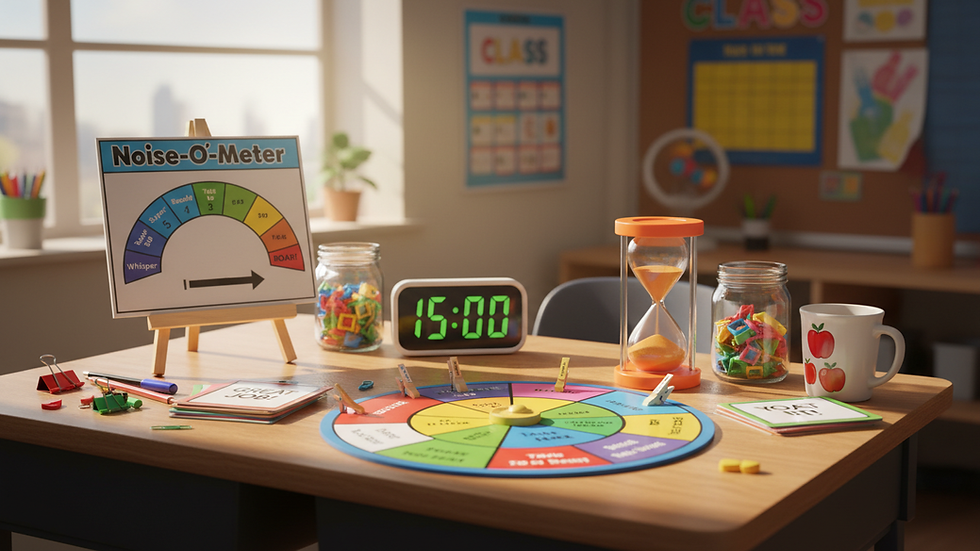
Set clear expectations from day one. Use a visual chart or poster to remind students of the rules.
Use positive reinforcement. Praise specific behaviours like “I love how you raised your hand before speaking” instead of general comments.
Incorporate movement breaks. Short physical activities can help students release energy and refocus.
Use seating arrangements strategically. Group students to encourage collaboration or separate those who distract each other.
Prepare engaging lessons. When students are interested, they are less likely to act out.
Model the behaviour you want to see. Demonstrate respect, patience, and enthusiasm.
Have a calm-down corner. A quiet space where students can regain composure if overwhelmed.
Remember, the goal is not to control students but to guide them towards self-discipline and mutual respect.
Encouraging Student Ownership and Responsibility
One of the most rewarding aspects of classroom management is watching students take ownership of their behaviour and learning. When we empower them to be responsible, we plant seeds for lifelong skills.
Here are some ways to encourage this:
Involve students in creating rules. This gives them a sense of ownership and accountability.
Use goal-setting activities. Help students set personal and academic goals and track their progress.
Teach problem-solving skills. Guide them to find solutions to conflicts or challenges.
Celebrate successes together. Recognize improvements and milestones publicly.
Encourage peer support. Buddy systems or group projects can foster cooperation.
By shifting some responsibility to students, we create a classroom culture where everyone feels invested in the community’s success.
Embracing Flexibility and Reflection
No two days in the classroom are the same, and that’s part of the beauty of teaching. Being flexible and reflective allows us to adapt our strategies to meet the evolving needs of our students.
Try these habits:
Reflect daily or weekly. What worked well? What could be improved?
Seek feedback from students. Simple surveys or discussions can provide valuable insights.
Adjust routines as needed. Sometimes a small change can make a big difference.
Stay patient and kind to yourself. Mastery takes time and practice.
Remember, classroom management is a journey, not a destination. Each step forward brings you closer to a harmonious and productive learning space.
Mastering classroom management is like learning to conduct an orchestra. With the right techniques, relationships, and mindset, every student’s unique voice can contribute to a beautiful symphony of learning and growth. By embracing these strategies, we not only create order but also inspire confidence, curiosity, and kindness in our classrooms. Let’s keep nurturing these skills and watch our students flourish in every way.



Comments